
The History and Science of Hash
Traditional Methods, Curing Practices, and Shelf‑Life
Hash has a long global history that spans centuries of innovation and cultural exchange. Early records show hash production in Central and Southwestern Asia, where farmers separated resin from flowers using simple tools.
Hash first appeared in ancient cultures that valued resinous cannabis for ritual and medicinal use. Over time, early farmers collected sticky trichomes from flowers and pressed them into dense cakes. These methods spread across regions as trade routes expanded, and communities refined techniques to improve flavor and potency. Consequently, hash became a distinct product with cultural and spiritual relevance across Asia and the Middle East.
As centuries passed, new cultivation practices supported larger resin yields and more consistent quality. Then, during the 19th and early 20th centuries, global travel accelerated interest in hash and introduced it to Western societies. Producers adapted their methods using enhanced sieving tools and regional curing traditions. Ultimately, these changes shaped modern hash production and connected ancient practices to emerging global markets.
The early cultivation and curing processes shaped modern solventless extraction. Moreover, they continue to influence today’s premium hash craft. Because hash remains popular in 2026 markets, its history still guides current production standards.
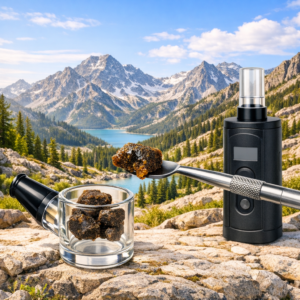
Traditional hash makers relied on mechanical separation to gather trichomes. Producers used sieves, cold temperatures, and gentle agitation to remove resin heads. These resin heads contained cannabinoids, terpenes, and valuable minor compounds. Later cultures adopted hand‑rolling methods that formed the well‑known “charas.” Consequently, each region produced unique textures and chemistries. These traditions now support today’s solventless hash resurgence.
Producers also developed natural curing techniques to stabilize resin quality. Traditional hash makers pressed resin into bricks and stored them in cool, dark spaces. This method reduced moisture and slowed terpene loss. Farmers also used breathable materials that allowed subtle oxidation. As a result, the final product developed smooth aromas and deeper flavors. Modern hash makers still use these foundational principles, although they employ tighter environmental controls.
Modern curing standards rely on controlled humidity and temperature. Producers maintain low oxygen exposure to protect volatile terpenes. They also monitor microbial risks with precise water activity meters. Because hash contains dense resin clusters, internal moisture can cause spoilage. Therefore, proper curing ensures stability, potency, and consumer safety. These practices remain essential for compliant 2026 cannabis production.
Hash shelf‑life depends on storage conditions and resin composition. Light exposure accelerates cannabinoid degradation. Heat evaporates terpenes and reduces aroma intensity. Oxygen triggers oxidative reactions that darken the product. Therefore, producers must store hash in airtight containers with stable temperatures. Consumers can use similar approaches to preserve product quality longer. These steps help maintain flavor, texture, and potency.
Well‑cured hash often lasts one to two years under optimal conditions. However, terpene levels decline faster than cannabinoids. This decline affects the sensory profile of the product. Therefore, premium hash makers focus on freshness and frequent batch rotation. These strategies support high consumer satisfaction in competitive 2026 markets. They also reinforce consistent branding across product lines.
The history of hash demonstrates a blend of cultural tradition and scientific advancement. Traditional curing practices still guide modern producers toward stable and flavorful products. Furthermore, improved environmental controls now extend shelf‑life and protect active compounds.
As the cannabis industry grows, both consumers and producers benefit from understanding these time‑tested methods. Hash production in 2026 prioritizes solventless processes that deliver clean, flavorful, and potent resin products. Producers refine washing and pressing techniques to achieve higher clarity and stronger melt quality.
Additionally, consumers demand better terpene expression and consistent micron grading across batches. Labs embrace automation to increase efficiency while maintaining premium standards for small‑batch rosin. Furthermore, expanding product formats push makers to adapt their techniques for vapes and edibles. Hash brands focus on consistency as competition intensifies in evolving markets. Producers also evaluate every post‑harvest step to enhance resin purity and stability.
Ultimately, rising expectations motivate continuous improvement in hash quality across the industry. Hash makers in 2026 push quality forward by uniting advanced techniques with rising consumer expectations. As time goes on, hash remains a reliable and effective product for cannabis consumers across the world.