
The Inspection Process at Cannabis Cultivation Facilities: Common Mistakes and Risks
Cannabis cultivation facilities operate under some of the strictest regulatory frameworks in the agricultural sector. Compliance inspections—whether scheduled or unannounced—are designed to ensure adherence to state and local laws governing safety, security, and product integrity. Failing an inspection can lead to severe consequences, including fines, license suspension, or even revocation, making preparation essential.
What Inspectors Look For
Inspections typically cover:
- Inventory Management: Accurate plant counts, proper tagging, and up-to-date track-and-trace records.
- Security Measures: Functional surveillance systems, secure access points, and visitor logs.
- Facility Conditions: Cleanliness, pest control, and proper waste disposal.
- Documentation: Current permits, insurance certificates, and compliance records.
- Equipment Checks: Calibrated scales, fire suppression systems, and other safety devices.
Common Mistakes
- Poor Inventory Tracking: Missing or inaccurate plant tags and discrepancies in track-and-trace systems are among the most cited violations.
- Security Lapses: Blind spots in camera coverage, outdated employee badges, and incomplete visitor logs can trigger penalties.
- Incomplete Documentation: Missing SOPs, expired permits, or disorganized compliance records often lead to inspection failures.
- Neglected Maintenance: Uncalibrated equipment or overdue fire safety checks signal non-compliance.
- Improper Waste Disposal: Inadequate logging or mishandling of cannabis waste is a frequent oversight.
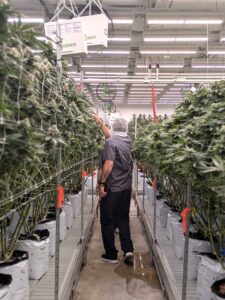
Problems That Can Arise
- Financial Penalties: Fines can reach $10,000 per violation in some states.
- Operational Disruptions: Suspensions halt production and damage revenue streams.
- Reputational Damage: Non-compliance erodes trust with regulators and customers.
- Legal Risks: Persistent violations may lead to license revocation and litigation.
Best Practices
- Begin preparation 4–6 weeks before scheduled inspections.
- Maintain clear SOPs for compliance tasks.
- Conduct internal audits to identify gaps.
- Train staff on compliance protocols and inspection readiness.
- Keep all records organized and accessible.
In short, inspections are not just regulatory hurdles—they are opportunities to demonstrate operational excellence. Facilities that integrate compliance into daily routines minimize risks and build a foundation for sustainable success.