
Soil Health in Cannabis Cultivation: A Key to Sustainable Success
Healthy soil is the foundation of productive cannabis cultivation. It supports plant growth, nutrient cycling, and resilience against stress. Measuring the health requires evaluating three types of overarching characteristics: physical, biological, chemical. Each plays a critical role in determining soil’s ability to sustain crops.
- Physical properties include texture, structure, and aggregate stability. Aggregate stability refers to how well particles bind together under stress. Stable aggregates improve water infiltration and reduce erosion, which benefits root development.
- Biological health is equally important. Four indicators of biological health: organic matter, protein, respiration, and active carbon. Organic matter enhances nutrient availability and water retention. Protein reflects nitrogen reserves, while respiration measures microbial activity. Active carbon indicates the energy source for organisms.
- Chemical characteristics involve nutrient balance and pH. Optimal values for phosphorus vary based on the texture and geology of individual soil types, but ratings above 30 ppm are typically considered excessive. Excess phosphorus can harm water quality and disrupt plant uptake. Minor elements including magnesium, iron, manganese, and zinc are essential for various plant biochemical reactions but are only required in small quantities. If any minor elements are deficient, yield and crop quality will decrease, but toxicities can also occur when concentrations are too high.
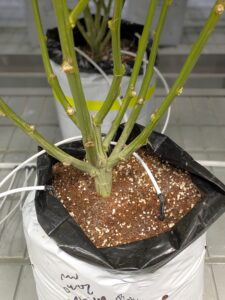
Cultivator experience and scientific research has shown that we can grow healthy soils by:
1) Minimizing soil disturbance
2) Maximizing soil cover and living roots
3) Reducing external nutrient and fertility inputs
Soil Respiration in Cannabis Cultivation
For cannabis, soil respiration ensures roots have access to nutrients released by microbes. Healthy respiration supports vigorous growth, terpene development, and overall plant resilience.
This respiration refers to the process by which carbon dioxide is released from the stratum. This occurs primarily through the metabolic activity of organisms, including microbes, fungi, and plant roots. It reflects how actively the stratum life is cycling nutrients.
Why Is It Important?
- Indicator of Microbial Activity: Higher respiration rates generally mean microbes are active and breaking down organic material.
- Nutrient Cycling: Active respiration supports the release of nutrients like nitrogen and phosphorus for plant uptake.
- Carbon Dynamics: It helps measure carbon turnover, which is critical for soil organic matter stability and climate impact.
Healthy soils offer significant advantages. Benefits of healthy soils lead to better bottom lines and cleaner water. For cannabis growers, this means consistent yields, improved terpene profiles, and reduced input costs. Moreover, resilient soils help prevent crop loss.
What Is Soil Protein?
Soil protein refers to the pool of organic nitrogen compounds in the soil, primarily derived from decomposed plant and microbial residues. These proteins are part of the soil organic matter and serve as a long-term nitrogen reserve.
Management Practices to Improve Soil Protein
- Add Organic Amendments: Compost and plant residues increase protein content.
- Minimize Soil Disturbance: Protects microbial habitats and organic matter.
- Maintain Living Roots: Continuous root systems feed soil microbes.
- Avoid Excess Nitrogen Fertilizers: Overuse can disrupt microbial balance and reduce organic matter accumulation.
What Is Active Carbon?
Active carbon refers to the fraction of soil organic matter that is easily decomposable and readily available as an energy source for soil microbes. Unlike stable organic matter, active carbon cycles quickly and drives microbial activity.
Prevent Excessive Loss
- Avoid Over-Aeration: Excess tillage accelerates decomposition and carbon loss.
- Manage Fertilizer Inputs: Overuse of synthetic nitrogen can reduce microbial reliance on organic carbon.
- Maintain Moisture: Dryness slows microbial activity, while saturation limits oxygen.
Monitoring soil health should be a routine part of cannabis production. Regular testing for organic matter, nutrient levels, and biological activity provides actionable insights. Combining test results with consistent observations ensures balanced management strategies.
In conclusion, soil health is not a static condition but a dynamic process. By adopting regenerative practices and monitoring key indicators, cannabis cultivators can sustain productivity and environmental health. Investing in your soil’s health today secures your future of cannabis farming.