
Scientists in Brazil have identified a THC-free shrub with naturally occurring CBD
Hope for a non-cannabis source that could disrupt the booming global CBD market
Researchers at the Federal University of Rio de Janeiro have discovered the presence of the highly sought cannabinoid cannabidiol (CBD) in a shrub that grows along the Atlantic coast of Brazil, according to an Earth.com report. The CBD is particularly measurable in the plant’s fruits and flowers.
The team identified the compound using specialized liquid chromatography and mass spectrometry. Their next step involves investigating whether the shrub — Trema micrantha, also known as the Jamaican Nettle Tree or Capulin — is a good candidate for commercial-scale CBD extraction. The team is relying on a public grant for 500,000 Brazilian reals (BRL), or about $104,000 in USD.
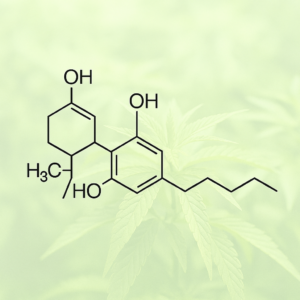
Dr. Rodrigo Moura Neto, a Brazilian molecular biologist, said in the report it was “wonderful” to find a CBD-rich plant that does not contain the psychoactive ingredient THC — which remains prohibited, or at least highly regulated by the majority of world governments — as “the potential is enormous.”
Pharmacologists will also need to compare the therapeutic potency of CBD from Trema micanthra to that of cannabis- or hemp-derived CBD — after all, it “might not work as well, or at all,” Dr. Moura Neto noted in the report.
Why This Matters…
Biological Reasons
- CBD found outside the cannabis genus expands cannabinoid biology. The plant belongs to the Cannabaceae family, which suggests deeper evolutionary links between cannabis, hops, and closely related shrubs—providing fresh insight into cannabinoid biosynthesis pathways.
Environmental Reasons
- It grows vigorously and naturally across much of Brazil. It does not require intensive agricultural inputs, pesticides, or specialized soil. It is a potentially low‑impact, eco‑friendly CBD crop.
- It thrives in tropical environments where hemp struggles. It could minimize deforestation and resource-intensive land conversion.
Industrial Reasons
- The plant contains CBD but no detectable THC. Therefore, it limits the need for costly THC‑removal steps in extraction.
- It grows like a weed and requires little management.
- Its rapid growth and high biomass output offer industrial-scale potential without the bottlenecks associated with cannabis cultivation.
Economic Reasons
- Has the potential to dramatically lower global production costs.
- It could support economic independence, allowing countries like Brazil to become major CBD producers.
- Rising global CBD demand makes alternative sources highly valuable.
Genetic and Research Reasons
- The discovery reveals new genetic pathways for cannabinoid synthesis. This opens the door to future breeding, gene-editing, and biosynthetic engineering.
- It provides a unique model to study cannabinoid evolution and biosynthesis across plant families.
- It offers a new genetic resource for developing cultivars and engineered organisms that produce CBD without complicating THC regulation.
Global hemp-derived CBD sales amounted to nearly $5 billion last year and could grow to more than $47 billion by 2028, the report said, and the ability to source commercially viable CBD from a non-regulated source could quickly become a game changer for the industry.
Scientists studying Trema micrantha blume estimate that fully analyzing, characterizing, and developing extraction methods for its CBD content will take at least five years. Long‑term studies require pilot cultivation, biochemical validation, and clinical effectiveness analysis, which naturally extend over multiple research cycles.