
Coco Coir in Cannabis Cultivation
Benefits, Challenges, and History
Coco coir is a popular substrate in cannabis cultivation. It offers unique properties that support healthy plant growth. Understanding its benefits, drawbacks, and history helps growers make informed decisions.
History Of Use 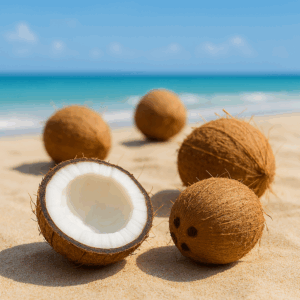
Coco coir originates from coconut husks. Initially, it was considered waste in coconut processing. Over time, horticulture adopted it for its water retention and aeration qualities. Cannabis growers use coco coir for its ability to mimic soil while offering hydroponic advantages.
What Are The Benefits of Coco Coir?
Coco coir provides excellent water retention without waterlogging roots. It also promotes strong root aeration, reducing risks of root rot. The substrate is lightweight, making handling and transport easier. Coco coir is renewable and environmentally friendly compared to peat moss. It supports beneficial microbes, enhancing nutrient uptake and plant resilience. It is very compatible with hydroponic systems and drip irrigation setups.
Additionally, it offers a neutral pH, which simplifies nutrient management. It allows precise control over feeding schedules. This control benefits strains requiring consistent nutrient delivery, such as high-yield hybrids. Other benefits include a reduction in compaction which ensures roots expand freely.
Challenges And Downsides
Despite its advantages, coco coir has limitations. It contains natural salts that require thorough rinsing before use. Improper preparation can lead to nutrient lockout and stunted growth. Due to the lack of inherent nutrients, growers must provide complete feeding programs. It can accumulate salts over time, demanding regular flushing. Storage and handling require care to prevent contamination by pathogens.
Coco coir is not naturally sterile because it originates from coconut husks exposed to environmental microbes. During processing, pathogens and fungi can survive if sterilization steps are skipped. One must treat it before use to prevent contamination. Proper rinsing and buffering reduce harmful organisms and excess salts. Failure to sterilize can lead to root diseases and nutrient imbalances. Therefore, sanitation is absolutely essential for healthy cannabis yields.
Another challenge is cost. High-quality substrate can be expensive compared to traditional soil. Disposal also raises concerns, as large-scale operations generate significant waste. These factors require careful planning for sustainable cultivation.
Unique Aspects Of Coco Coir 
Coco coir bridges soil and hydroponics. It offers soil-like structure with hydroponic precision. This versatility makes it ideal for indoor cannabis cultivation. Cultivators can tailor nutrient solutions to specific strains, optimizing cannabinoid profiles. Indica-dominant strains will thrive due to the stable moisture levels. Auto-flowering strains also perform well because of consistent nutrient availability.
This unique substrate supports rapid growth cycles. Its aeration and moisture balance accelerate root development. This advantage enables shorter vegetative phases and faster harvests. However, success depends on disciplined nutrient management and monitoring.
Conclusion
Coco coir remains a leading choice for cannabis cultivators seeking greater control of harvest and overall sustainability. Its benefits include water retention, aeration, and adaptability. Yet, challenges like salt buildup and nutrient dependency require attention. Understanding its unique properties helps to maximize its potential and deliver healthy plants with impressive yields.